Nonprofit galas in the DMV carry a burden most corporate events don’t: they have to actually raise money, not just create goodwill. Every entertainment decision at a fundraising gala should be evaluated against a simple question, does this help donors feel good enough, and stay engaged long enough, to give generously? That reframes choices that might otherwise seem purely aesthetic, like lighting or music transitions, into decisions with a real dollar impact.
Understand the Emotional Arc of a Fundraising Event
A gala that raises well typically moves donors through a deliberate emotional arc: welcome and warmth during cocktail hour, rising engagement through dinner, an emotional peak during the mission moment or appeal, and then release and celebration once the ask is over. Entertainment’s job is to support each phase, not compete with it.
The most common mistake nonprofit planners make is treating entertainment as filler between the “real” programmatic content, rather than as an active tool for pacing the emotional arc. A DJ who understands fundraising events knows the difference between background music that supports quiet conversation during cocktail hour and music that’s still technically playing but pulling attention away from a silent auction table display.
Cocktail Hour: Set the Tone Without Competing
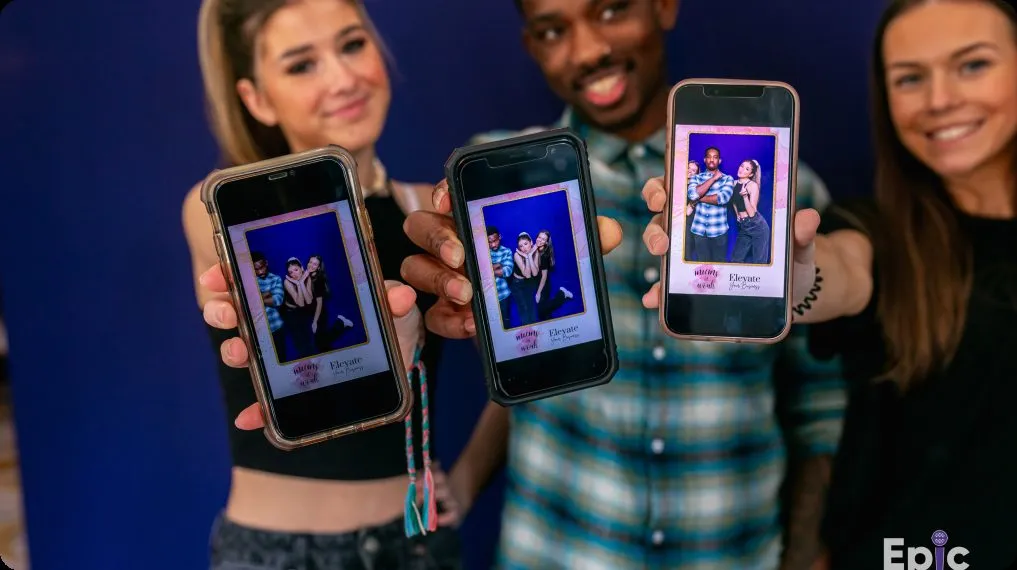
Cocktail hour music should be present enough to fill silence and energize the room, but quiet enough that donors can hold conversations near the bar or auction tables without raising their voices. This is also prime time for a photo booth or step-and-repeat with your event branding, donors who take a fun photo early in the evening tend to be warmer, more socially loosened-up attendees by the time the ask comes around later.
If your gala includes a live auction preview or silent auction bidding during this window, keep entertainment volume noticeably lower near those areas specifically, nothing kills silent auction participation like guests being unable to hear each other discuss a bid.
The Appeal or Paddle Raise Is Not an Entertainment Moment, Protect It
This is the single highest-leverage few minutes of your entire gala, and it should have zero competing entertainment. No background music under the ask, no photo booth flash going off near the stage, no bar service interruptions if you can help it. Your DJ or AV team’s job during this segment is purely technical support, clean sound reinforcement for whoever is delivering the appeal, and a fast, quiet transition into celebratory music the moment the ask concludes.
Work with your auctioneer or paddle-raise caller in advance on sound needs specifically. Auctioneers often want a handheld or headset mic with a slightly hotter gain than typical remarks, since their pacing and energy depend on being heard clearly at speed.
After the Ask: Release the Energy
The moment the appeal closes is when a good DJ earns their fee. Donors who just gave, often at a level they hadn’t planned on, need somewhere to put that emotional energy, this is when you want an immediate, well-chosen music transition into something upbeat, and ideally the dance floor or social portion of the night opening right away. A dead beat here, where the room sits in silence for a minute while staff fumble with equipment, wastes the emotional momentum you just spent the whole night building.
Live Music vs. DJ for Nonprofit Galas
Both work, and the choice usually comes down to budget and desired atmosphere rather than one being objectively better:
- Live music (jazz trio, string quartet for cocktail hour, or a full band later) reads as more formal and can align well with legacy or heritage-focused organizations, arts nonprofits, or events at museum venues where a live ensemble suits the setting.
- DJ and MC offers more flexibility for pacing, the ability to instantly adjust tempo, volume and song choice in response to what’s happening in the room, which matters enormously for an event with a live ask and unpredictable timing.
- A hybrid, live music for cocktail hour, DJ for dinner transitions and the dance portion, gives you both, and is common at larger DC and Baltimore galas with bigger production budgets.
MC and Emcee Considerations Specific to Fundraising
A gala’s on-mic talent isn’t limited to the DJ, many nonprofits use a dedicated event emcee, sometimes a board member or local media personality, alongside their auctioneer and DJ. Coordinate all three in advance so transitions between speakers are clean. Nothing undercuts a fundraising ask more than an awkward “who has the mic next” moment right before or after it.
If your DJ is also serving as MC, make sure they’ve been briefed specifically on fundraising event pacing, not just general gala experience, the skill of protecting silence during an ask is a specific, learnable thing, not a given even among experienced wedding or corporate DJs.
Photo and Video as Donor Cultivation Tools, Not Just Entertainment
A photo booth or professional photographer at a gala isn’t just entertainment, the images are cultivation material your development team will use in follow-up emails, annual reports, and next year’s invitation. Make sure whoever is running your photo elements understands this and is capturing usable images of major donors, board members, and honorees, not just candid crowd shots. A branded photo booth overlay with your mission tagline or year also gives you shareable social content well beyond the night itself.
Venue Notes for DC-Area Nonprofit Galas
Museum venues, embassies, and historic DC properties are popular for nonprofit galas because they photograph beautifully and lend prestige, but they often carry strict rules: fixed end times tied to building security, no open flame, restricted rigging points for lighting, and sometimes limited kitchen facilities requiring off-site catering with tight timing. Confirm these restrictions before locking your run of show, since a hard 10:00 pm end time changes how much time you can protect for the celebratory portion after your ask.
Hotel ballrooms in downtown DC, Bethesda, and Tysons offer more flexibility on timing and power but require more work to make the room feel less corporate, this is where lighting investment (uplighting, gobo projections of your organization’s logo) pays off disproportionately for a fundraising event, since donor perception of production quality can influence perceived credibility of the organization.
A Practical Checklist
- Map your entertainment plan against the emotional arc: warmth, rising engagement, the ask, release
- Explicitly protect silence and sound clarity during the appeal or paddle raise
- Brief your DJ/MC, auctioneer, and any emcee together, not separately
- Treat photo capture as donor cultivation material, not just keepsakes
- Confirm venue restrictions on timing, rigging and open flame before finalizing your run of show
Entertainment at a nonprofit gala isn’t decoration, it’s a pacing tool that directly affects how much money leaves the room in donations. Solender Events has supported fundraising galas across DC, Maryland and Virginia with DJ, MC, lighting and photo services built around the ask, not just the party, reach out early so we can help build your program around your fundraising goals.