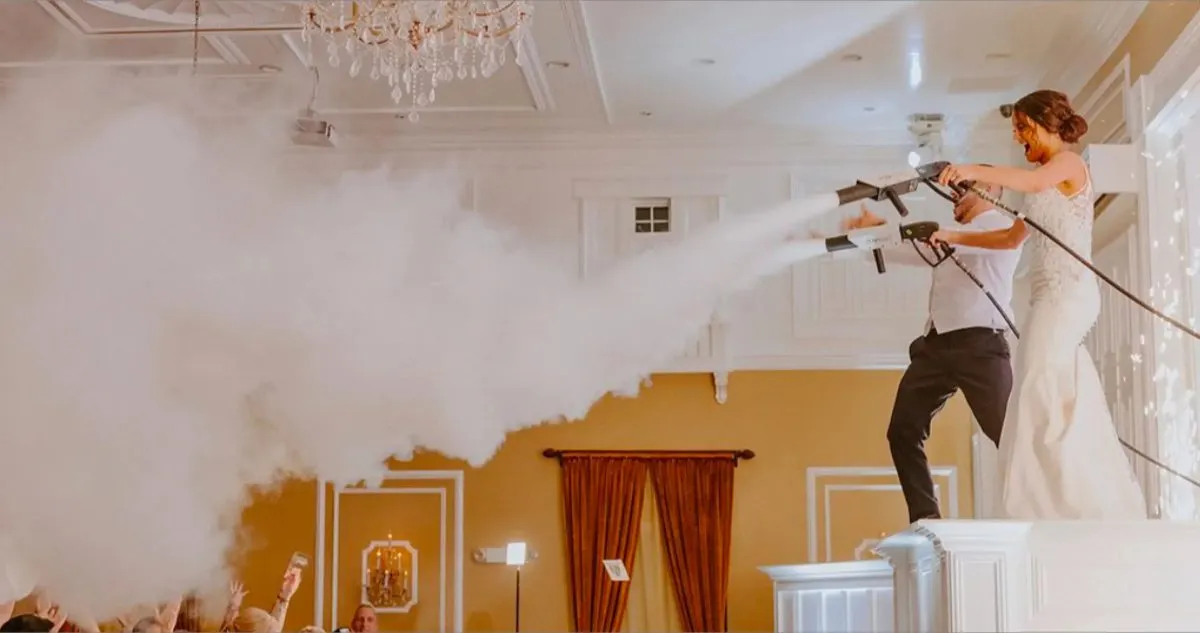
Georgetown and downtown DC host some of the most beautiful and most logistically demanding events we work in the region. Historic rowhouses, converted mansions, hotel ballrooms and modern event spaces all sit within a few square miles, and each type comes with its own production challenges. Always confirm specific policies, load-in windows and noise rules directly with your venue, since these vary property to property and change over time, what follows is a general planning framework from years of working this part of the city.
Load-In Realities in a Dense Urban Core
Georgetown in particular was built long before event production trucks existed. Narrow, often cobblestone streets, limited loading zones, and no real alley access at many historic properties mean load-in has to be planned with military precision. Street parking is scarce and metered aggressively, and double-parking a production van for an hour is rarely a safe assumption.
Practical steps that make a real difference:
- Confirming the exact load-in door, whether it is street-level or requires navigating stairs, and whether there is a freight elevator if the event space is above or below street level.
- Asking about permitted load-in windows, since some Georgetown properties restrict delivery and load-in times due to residential neighbors and city noise or parking ordinances.
- Building extra time into the schedule for carrying gear by hand over distances that a truck simply cannot cover, which is common in historic buildings with preserved entrances.
Downtown DC hotels and larger event venues tend to have more traditional loading docks and freight elevators, but they also often serve multiple events in the same building on the same night, which means service elevators and hallways can be in high demand. Coordinating a load-in time directly with the venue’s event manager, not just the client, avoids conflicts with another group’s setup.
Noise and Curfew Considerations
DC has some of the more actively enforced noise and event curfews in the region, particularly for outdoor and rooftop spaces near residential buildings. Georgetown’s residential density means many historic event venues have specific indoor sound limits or hard curfews tied to neighborhood agreements. Downtown hotel ballrooms are generally more flexible since they are built for events, but even those often have contracted end times tied to union labor and staffing.
Because these rules vary significantly by property and can change, always get the specific noise policy and curfew time in writing from your venue and share it with your DJ or production team well before the event, not on the day of.
Acoustics: Old Buildings vs. Modern Ballrooms
Historic Georgetown properties often feature high ceilings, plaster walls, wood floors and multiple smaller connected rooms rather than one large open hall. This creates two common acoustic challenges: sound can travel unpredictably between rooms, and hard surfaces can create echo that makes speech announcements harder to understand clearly. We generally plan for additional speaker placement to cover secondary rooms evenly, rather than relying on one main system to reach every corner, and we favor slightly more directional coverage to manage echo in high-ceilinged rooms.
Downtown DC ballrooms are typically built more intentionally for sound, with carpeting, drapery and acoustic treatment that absorbs reflection. These spaces are usually more forgiving for a DJ setup and speech reinforcement, but they can also be very large, which means coverage planning for the full footprint of the room matters, especially for events with a stage far from the dance floor.
Layout and Guest Flow
Georgetown venues frequently spread guests across multiple floors or rooms, a ceremony space, a separate cocktail area, and a reception room that may not be adjacent. This affects everything from where speakers are placed for background music during cocktail hour to how guests are guided from one space to the next. We map this flow during planning so music and any announcements support the transition rather than getting lost between rooms.
Downtown hotel and modern event spaces tend to offer more single-room flexibility, with movable walls or large open floor plans. The tradeoff there is usually less inherent architectural charm but more control over layout, sightlines and where the dance floor, head table and production equipment sit relative to each other.
Power and Rigging
Older Georgetown buildings sometimes have more limited electrical capacity than modern venues, particularly if a building was converted from a residential or historic commercial use. It is worth confirming available power, especially if lighting, a full production package, or multiple bands or performers are involved, well before event day so a generator or additional power distribution can be arranged if needed rather than discovered as a problem during setup.
Downtown hotels and larger venues generally have more robust built-in power and rigging points, but many have preferred or in-house AV vendors and specific rules about outside production equipment, so it is worth clarifying those relationships early in planning.
Parking and Guest Transportation
Guest transportation deserves its own planning conversation in this part of the city. Georgetown has limited on-site parking at most historic venues, and street parking fills quickly on weekend evenings, especially near the waterfront and along M Street. Many couples and event hosts arrange shuttle service from a nearby garage or hotel block, and it’s worth confirming with your venue whether they have a preferred drop-off and pickup location for buses or ride-share vehicles, since narrow streets can make a standard-size charter bus difficult to stage directly in front of some properties. Downtown venues near Metro stations have an easier time with guest logistics, since many guests can walk from nearby hotels or take the Metro directly, but valet and loading zone rules around large downtown hotels can still be tightly regulated by the city.
Seasonal and Weather Considerations
Outdoor and rooftop components are common in both areas, from Georgetown waterfront terraces to downtown hotel rooftops with skyline views. DC summers bring heat and humidity that can affect both guest comfort and equipment, particularly amplifiers and lighting fixtures that run hot; shade structures and equipment placement out of direct sun matter more here than people expect. Spring and fall bring more visitors and tourism traffic to Georgetown specifically, which can affect load-in timing on weekend mornings when the neighborhood is already busy with pedestrian and vehicle traffic well before an evening event begins.
Photo and Guest Experience Moments
Both areas offer strong backdrops, Georgetown’s historic architecture and waterfront views along the Potomac, and downtown DC’s skyline, monuments and modern architectural details. From a production standpoint, we like to know in advance if there is a specific photo moment guests will want to capture (a rooftop view, a historic staircase, a waterfront backdrop) so lighting and any photo booth placement can complement rather than compete with that view.
Working With In-House Vendor Lists
Several Georgetown and downtown venues maintain preferred or exclusive vendor lists for catering, AV, and occasionally entertainment. If a venue you’re considering has an in-house AV requirement, it’s worth clarifying early whether an outside DJ or production company can still bring their own sound system and lighting, or whether you’re required to route through the house AV provider, since this affects both cost and creative control over your production. Some venues are flexible on entertainment while remaining strict on catering, so don’t assume one exclusive vendor requirement means all vendor categories are locked.
Planning Takeaway
Georgetown and downtown DC reward early, specific logistics planning more than almost any other part of the region. The venues are beautiful, but density, historic construction and DC’s noise enforcement mean the production plan has to be built around real constraints rather than assumptions. Always confirm current load-in procedures, curfews and power capacity directly with your venue.
If you are planning an event in Georgetown or downtown DC and want a team that has navigated this part of the city many times, Solender Events would be glad to help you plan the logistics alongside the music and production.